what are the specifications to design a gate
siva dezineguru2025-02-12T12:49:34+00:00Designing a gate requires considering various specifications depending on its purpose, material, security level, and aesthetics. Here are the key specifications:
- 1. Purpose & Type
Residential, Commercial, or Industrial – Determines size, strength, and automation requirements.
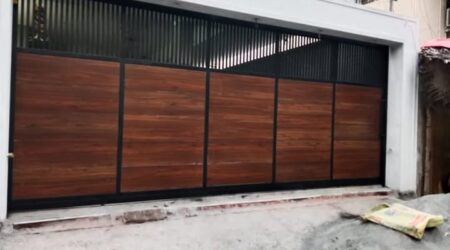
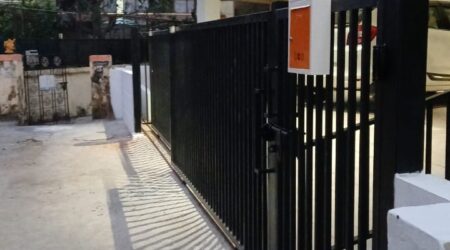
Swing Gate, Sliding Gate, Folding Gate, Rolling Gate, Motorised Gate– Based on space and usage.
- 2. Dimensions
Width – Depends on the entrance size (standard pedestrian gates: 3-4 ft; vehicle gates: 10-20 ft).
Height – Typically 4-8 ft for residential, taller for security-sensitive areas.
- 3. Material
Mild Steel (MS), Stainless Steel (SS), Aluminum – Durable and rust-resistant.
Wood – Aesthetic but requires maintenance.
Wrought Iron – Heavy and ornate.
PVC or Composite – Lightweight and low maintenance.
- 4. Structural Design
Frame Thickness & Sections – Based on material strength and load-bearing capacity.
Reinforcements – Needed for heavy-duty or security gates.
- 5. Load & Wind Resistance
Ensure the gate can withstand wind forces, especially for large outdoor gates.
Consider structural bracing or perforations in windy areas.
- 6. Opening Mechanism
Manual or Automatic – Automated gates need motors and control systems.
Swing (single/double) or Sliding – Space availability is key.
Hinges, Rollers, and Tracks – Heavy-duty for durability.
- 7. Security Features
Locks & Latches – Mechanical, electronic, or biometric.
Barbed Wire/Spikes – For high-security applications.
Intercom or Access Control – For remote control.
- 8. Finish & Coating
Powder Coating, Galvanizing, or Painting – To prevent rust and enhance aesthetics.
Weather Resistance – UV-resistant coatings for outdoor gates.
- 9. Compliance & Safety
Follow local building codes and safety standards.
Child and pet safety considerations for residential gates.
- 10. Additional Features
Lights & Sensors – For visibility and automation.
Signage or Branding – For commercial or gated community entrances.